

Positive Behaviour Support (PBS): What It Is and How It Works
Everything you need to know about positive behaviour support: what PBS is, its principles, the PBS process, PBS under the NDIS, key terms, and how to get support for your child or someone you support.
What is positive behaviour support?
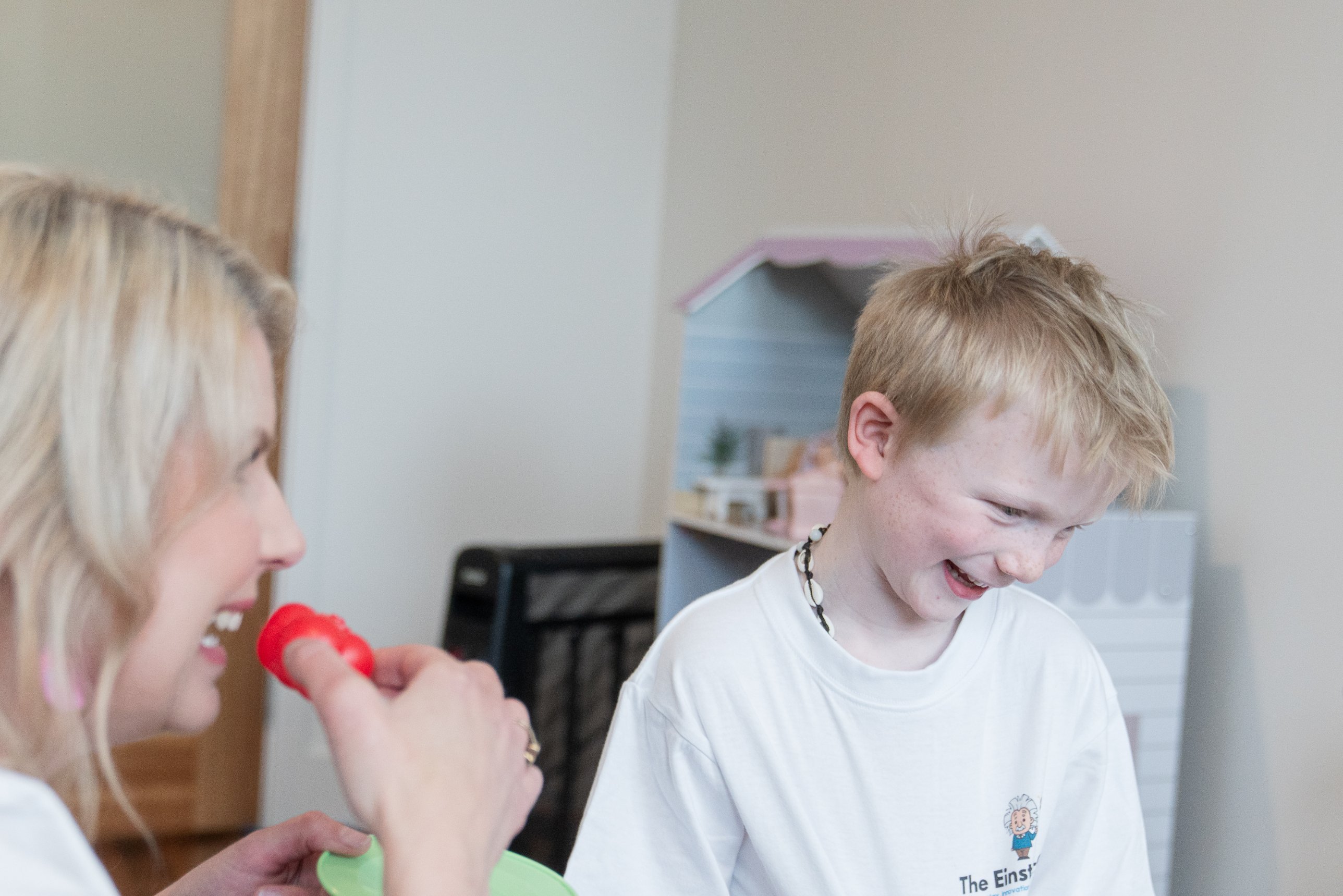
Positive Behaviour Support (PBS) is a person-centred, rights-based and evidence-informed approach to understanding and supporting people whose behaviour puts them or others at risk, or limits their quality of life. Rather than focusing on stopping a behaviour, PBS asks what the behaviour is communicating, then changes environments, builds skills and meets needs so the person can live a full and meaningful life.
In Australia, PBS is the approach used for behaviour support under the NDIS, delivered by practitioners the NDIS Quality and Safeguards Commission has found suitable.
The six principles of positive behaviour support
Person-centred
Support is built around the person: their strengths, preferences, culture, goals and what matters to them.
Rights-based
PBS upholds the person's human rights, dignity and choice, and aims to reduce and eliminate restrictive practices.
Behaviour is communication
Behaviours of concern usually meet a need. PBS looks for the function of a behaviour before deciding how to respond.
Evidence-informed
PBS draws on applied behavioural science, data and the lived experience of the person and the people who know them best.
Proactive, not reactive
The focus is on prevention: changing environments, teaching new skills and meeting needs before behaviour escalates.
Quality of life
Success is measured by a better quality of life for the person and their supporters, not only by less behaviour.
The positive behaviour support process
- Referral and consentThe person, their family or a professional makes a referral, and consent is confirmed with the person or their nominee or guardian.
- Functional behaviour assessmentThe practitioner gathers information and data to understand what the behaviour is communicating, what triggers it and what keeps it going.
- Behaviour support planTogether with the person and their supporters, the practitioner develops a plan with proactive strategies, skill building, responses to behaviour and, where needed, restrictive practices with a plan to reduce them.
- Implementation and trainingFamilies, support workers, schools and services learn the strategies, so everyone responds consistently.
- Monitoring and reviewProgress is tracked and the plan is reviewed and updated as the person's needs and quality of life change.
Positive behaviour support under the NDIS
- Behaviour support plans are developed by NDIS behaviour support practitioners found suitable by the NDIS Quality and Safeguards Commission.
- Practitioners are assessed against the PBS Capability Framework at core, proficient, advanced or specialist level.
- Specialist behaviour support is usually funded in an NDIS plan under Improved Relationships (Capacity Building).
- Any use of regulated restrictive practices must be in a behaviour support plan, authorised under state or territory rules, reported, and reduced over time.
Who is positive behaviour support for?
- Children and young people with disability, autism or developmental delay
- Adults with disability, including people with complex support needs
- Parents, carers and families
- Schools, early learning services and educators
- Support workers, disability services and support coordinators
- People with behaviours of concern, trauma or communication differences
Key positive behaviour support terms
- Behaviours of concern
- Behaviours that put the person or others at risk of harm, or limit the person's quality of life and participation.
- Functional behaviour assessment (FBA)
- A process to understand the purpose of a behaviour, including what happens before it and what keeps it going.
- Behaviour support plan (BSP)
- A plan developed by an NDIS behaviour support practitioner, with the person and their supporters, setting out strategies to meet needs and reduce behaviours of concern.
- Interim and comprehensive plans
- Where regulated restrictive practices are used, an interim plan addresses immediate needs and risks, and a comprehensive plan follows, based on a functional behaviour assessment.
- Regulated restrictive practices
- Seclusion, chemical, mechanical, physical and environmental restraint, which are regulated under the NDIS rules.
- PBS Capability Framework
- The NDIS Commission's framework describing the knowledge, skills and capabilities practitioners need at core, proficient, advanced and specialist levels.
- NDIS behaviour support practitioner
- A practitioner the NDIS Commission considers suitable to undertake functional behaviour assessments and develop behaviour support plans.
- Specialist behaviour support provider
- A provider registered with the NDIS Commission to deliver specialist behaviour support (registration group 0110).
Positive behaviour support training and supervision
Online PBS training, the Six-Week BSP Intensive and clinical supervision with a Specialist Behaviour Support Practitioner, for practitioners and people entering the field.
Looking for behaviour support in Broome, Karratha, Port Hedland, Exmouth or other regional areas of North West WA?
North West Positive Behaviour Support provides in-person and telehealth behaviour support across North West WA. It is a separate service from ConnectFirst™.
We also have practitioners in Melbourne, Traralgon, Brisbane, Perth, the Gold Coast and Echuca.
Get behaviour support for your child or someone you support
Leave your details and we'll call or email you. You don't need every detail to get started. Participants can refer themselves, and families and professionals can refer with consent.
If someone is in immediate danger, call 000. This form is not monitored around the clock. Prefer to talk? Call 1800 246 808.
Understanding behaviour, together
Positive Behaviour Support (PBS) is "a human rights-based framework for reducing behaviours of concern and increasing quality of life outcomes." It is for people with disability and the people who care for and support them, and it works best when families are part of the team.
"PBS is the responsibility of everyone, not just behaviour support practitioners."

What PBS focuses on
Rights and quality of life
Support is person-centred. It protects the person's rights, supports them to make their own choices and decisions, and is built in partnership with them and the people around them.
Understanding what behaviour communicates
Behaviour often tells us about a need that isn't being met. PBS looks at health, feelings, relationships, communication and the environment to understand why behaviour happens.
Capable environments
PBS builds supportive routines, spaces and relationships around the person, and uses real information to check what's working.
What happens in Positive Behaviour Support
- AssessmentA practitioner gets to know the person and works with you to understand their needs, strengths and what the behaviour may be communicating.
- A behaviour support planA personalised plan explains how to understand and support the person, including ways to prevent distress and respond calmly.
- Putting supports in placeThe practitioner helps families, support workers and teachers use the plan in everyday life.
- ReviewTogether you check how things are going and adjust the plan so the person's quality of life keeps improving.
Your rights and restrictive practices
A core value of PBS is reducing and eliminating restrictive practices. When a person's needs are well understood and supported, the behaviour that led to a restrictive practice is less likely to happen.
Any regulated restrictive practice must be in a behaviour support plan and authorised under your state or territory's rules. You can always ask your practitioner questions, and you can raise concerns with the NDIS Commission.
Report an issue or make a complaint ↗Getting PBS through the NDIS
Specialist behaviour support is usually funded through the Improved Relationships category of a participant's NDIS plan. Talk to your support coordinator or NDIS planner about including it.
Your practitioner must be found suitable by the NDIS Commission and work through a registered specialist behaviour support provider.
Talk to us about support ↗Helpful guides for families
- Positive Behaviour Support (PDF)WA Department of Communities, March 2026
- The PBS Capability Framework explained for familiesWhat good practice looks like
- Regulated restrictive practices guide: Easy Read (PDF)NDIS Commission
- What to do if you are not happy with your behaviour support (PDF)NDIS Commission participant fact sheet
ConnectFirst™ Broome
- Broome
- (08) 9129 4914
- Free call
- 1800 246 808
Support for children's wellbeing
Trusted places to learn about children's mental health, find a counsellor, and understand child-centred play therapy, where children use play, their natural language, to explore feelings and experiences with a trained therapist.
Child-centred play therapy and relational practice are embedded in the ConnectFirst™ approach. Change happens through connection, trust and the relationships around each child.
Children's counselling and mental health
- Kids HelplineFree, confidential 24/7 counselling for young people aged 5 to 25
- Emerging Minds FamiliesChildren's mental health information for parents and carers
- Beyond Blue Healthy FamiliesSupporting children's mental health from early childhood to teens
- headspaceMental health support for young people aged 12 to 25
- PACFA: Find a TherapistFind a registered counsellor or psychotherapist
- Australian Counselling AssociationFind a registered counsellor near you
- Australian Psychological Society: Find a PsychologistSearch for psychologists who work with children
Child-centred play therapy
- Australasia Pacific Play Therapy Association (APPTA)The professional association for play therapists in Australia and the Pacific
- Association for Play Therapy: What is play therapy?An international overview of play therapy
- Center for Play Therapy, University of North TexasA world centre for child-centred play therapy training and research
- Child-Centered Play Therapy evidence reviewUS Government review of the research behind child-centred play therapy
- British Association of Play Therapists: What is play therapy?A plain-language explanation for parents
- Play Therapy UK: What is play therapy?How play therapy helps children
Our courses include Child Centred Play Therapy for Professionals, Family Therapy: Filial Therapy and Play Therapy: The Therapeutic Relationship.
See our coursesThese links go to independent organisations and open in a new tab. ConnectFirst™ is not responsible for their content.
Trusted resources
Official guidance and reputable organisations we recommend. Links open the source website.
- National Disability Insurance Scheme (NDIS) ↗ndis.gov.au
- Choosing a specialist behaviour support provider (PDF) ↗NDIS Commission participant fact sheet
- How to choose a specialist behaviour support provider: Easy Read (PDF) ↗NDIS Commission
- What to do if you are not happy with your behaviour support (PDF) ↗NDIS Commission participant fact sheet
- Regulated restrictive practices guide: Easy Read (PDF) ↗NDIS Commission
- NDIS Commission: Behaviour support and restrictive practices ↗The Commission's main page on behaviour support
- NDIS Commission: Make a complaint ↗Report an issue with a provider
- NDIS Quality and Safeguards Commission ↗ndiscommission.gov.au
Positive behaviour support: your questions answered
What is positive behaviour support?
Positive Behaviour Support (PBS) is a human rights-based framework for reducing behaviours of concern and improving quality of life. It looks at what a person's behaviour may be communicating and builds support around their needs, together with the people who know them best.
How do I get positive behaviour support for my child through the NDIS?
Specialist behaviour support is usually funded through the Improved Relationships category of an NDIS plan. Talk to your support coordinator or NDIS planner, then choose a registered specialist behaviour support provider.
Do you offer positive behaviour support for families in Broome and North West WA?
Behaviour support services in Broome and North West WA are provided by North West Positive Behaviour Support, a separate service. Visit northwestpbs.com.au to make a referral.
Do you have courses for parents?
Yes. Parent courses are coming soon, covering topics like emotional regulation, sensory needs, routines, sleep, school distress and connection before correction.
What are the principles of positive behaviour support?
PBS is person-centred, rights-based and evidence-informed. It treats behaviour as communication, focuses on prevention and skill building rather than punishment, and measures success by a better quality of life.
What is a functional behaviour assessment?
A functional behaviour assessment is the process a behaviour support practitioner uses to understand the purpose of a behaviour: what happens before it, what keeps it going and what need it meets. It forms the basis of a comprehensive behaviour support plan.
What is a behaviour support plan?
A behaviour support plan is developed by an NDIS behaviour support practitioner with the person and their supporters. It sets out proactive strategies, skills to build, how to respond to behaviours of concern, and any restrictive practices with a plan to reduce them.
Who can provide positive behaviour support under the NDIS?
Behaviour support plans must be developed by an NDIS behaviour support practitioner the NDIS Quality and Safeguards Commission has found suitable, working with a registered specialist behaviour support provider.
What are restrictive practices?
Restrictive practices are interventions that restrict a person's rights or freedom of movement. Under the NDIS they must be part of a behaviour support plan and authorised under state or territory rules, and PBS aims to reduce and eliminate them.
Courses for parents and carers
Practical, self-paced courses to help you understand your child's behaviour and respond with connection. Register your interest and we'll let you know when they open.
- Why Children Display Behaviours of ConcernComing soon
- Connecting with ChildrenComing soon
- Understanding Biting as a Form of CommunicationComing soon
- Routines and Behaviour: SnapshotComing soon
- Connected Parenting: Attunement SnapshotComing soon
- Play Therapy: The Therapeutic Relationship SnapshotComing soon
- Child Centred Play Therapy for ProfessionalsComing soon
- Family Therapy: Filial TherapyComing soon
- Connection Before CorrectionComing soon
- Supporting Emotional RegulationComing soon
- Co-Regulation Before Self-RegulationComing soon
- Understanding Sensory NeedsComing soon
- Declarative Language at HomeComing soon
- Transitions Made EasierComing soon
- Morning Routines That WorkComing soon
- Sleep and Bedtime ChallengesComing soon
- Toileting ChallengesComing soon
- School Distress and AttendanceComing soon
- Demand Avoidance and the Need for AutonomyComing soon
- Throwing, Breaking and Unsafe BehaviourComing soon
- Running Away and SafetyComing soon
- Understanding Self-Injurious BehaviourComing soon
- Healthy Screen Use Without Power StrugglesComing soon
- Confidence, Friendship and BelongingComing soon
- Repairing Relationships After ConflictComing soon
- Window of Tolerance: SnapshotComing soon
- Declarative Language: SnapshotComing soon
- Food, Eating and Mealtimes: SnapshotComing soon
- Understanding Anxiety Profile: SnapshotComing soon
- Understanding a PDA Profile: SnapshotComing soon
- Child Agency and Sense of Self: SnapshotComing soon
- Understanding Your Child's BehaviourComing soon
- Practical Strategies for Daily RoutinesComing soon
- Behaviour Support for FamiliesComing soon
- Understanding Restrictive Practices for FamiliesComing soon
- Understanding Stress Responses in ChildrenComing soon
- Neurodiversity & Strength-Based ParentingComing soon
- Partners with Paws: Child-Puppy PartnershipComing soon
- Child Centred Play TherapyComing soon
- Behaviour Support for Early ChildhoodComing soon
- Play-Based Behaviour SupportComing soon